Every digital team now works with more drafts than any one editor can comfortably review. Product pages, social posts, help center updates, newsletters, scripts, and customer education materials move through the same calendar, often with different writers and different tools involved. Speed is useful, but speed also creates a new responsibility: teams need a repeatable way to check whether a piece of content is clear, consistent, and ready to represent the organization in public.
That is why content checking has become part of the modern publishing workflow. It is not only about catching spelling mistakes. A good review process also helps teams understand where text may feel generic, where a claim needs support, where a paragraph sounds inconsistent with the brand, and where a reader may lose trust. The goal is not to slow writers down. The goal is to give them a sharper second pass before a draft goes live.
The Shift From Manual Review To Assisted Review
Traditional editorial review depends heavily on human attention. Editors read for accuracy, structure, tone, repetition, and formatting. That judgment still matters, especially for sensitive topics or expert commentary. The challenge is volume. When a small team publishes across several channels, the same editor may need to review ten short pieces before lunch and a long article before the end of the day.
Assisted review tools help by handling the first layer of inspection. They can flag patterns that deserve a closer look, highlight unusually repetitive wording, and help teams separate obvious cleanup from decisions that require human judgment. This gives editors more room to focus on the parts of the work that actually need taste, context, and accountability.
Why Reliability Matters More Than Ever
Readers are more careful now. They notice when a page sounds rushed, when advice is vague, or when a brand seems to be publishing only to fill a schedule. Search engines and content platforms also reward material that is useful, specific, and easy to verify. In that environment, a weak article can cost more than a missed publishing slot.
Reliable content checks reduce that risk. They encourage writers to review the same core questions every time: Is the article useful to the audience? Are the claims grounded? Does the structure help the reader move from problem to answer? Is the language natural enough to feel written for people rather than only for algorithms? These questions are simple, but asking them consistently changes the quality of the final page.
A Practical Role For AI Content Review
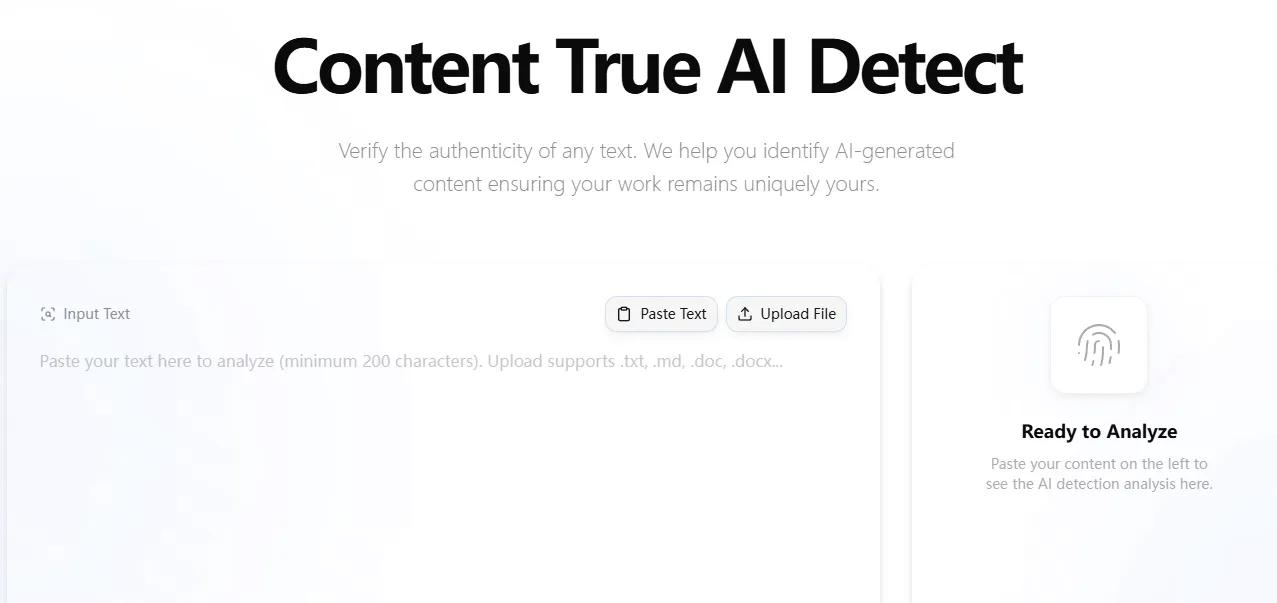
AI writing tools have made drafting faster, but they have also made editorial review more important. A paragraph can look polished while still being shallow, repetitive, or too similar to common web copy. This is where an AI content checking step can be useful. Tools such as Content True give writers, editors, students, and content teams a way to review text for possible AI-generated patterns while also thinking about readability and summary quality.
The most useful way to apply this kind of check is not as a final verdict. It works better as a signal. If a section is flagged as highly formulaic, the writer can add examples, name the audience more clearly, include direct experience, or simplify a sentence that tries too hard to sound impressive. The tool supports better human editing rather than replacing it.
Building Checks Into The Workflow
A content check is most effective when it is easy to repeat. Teams can add it after the first self-edit and before the final editorial pass. For short content, that may mean checking the headline, intro, and call to action. For long content, it may mean reviewing sections one by one so feedback is easier to apply.
The process should stay lightweight. A writer should not have to wait for a formal meeting just to improve a draft. Instead, they can run an assisted review, revise unclear passages, and send the editor a cleaner version. Over time, this creates a shared quality baseline. New writers learn what the team values, editors spend less time on avoidable cleanup, and published work becomes more consistent.
Common Issues A Check Can Surface
One common issue is repetition. Drafts often repeat the same promise in different words, especially when they are written quickly. Another issue is vague phrasing, such as saying a tool improves productivity without explaining which task improves or why. A third issue is uneven tone. A piece might begin in a helpful voice but drift into promotional language halfway through.
Assisted checks can make these patterns easier to see. Once they are visible, the fix is usually editorial rather than technical. Replace broad claims with specific examples. Break long paragraphs into clearer steps. Remove sentences that do not add new information. Add context where a reader might ask, "Compared with what?" These small changes make content feel more honest and more useful.
Better Publishing Comes From Better Habits
The strongest publishing teams do not rely on one perfect tool or one heroic editor. They build habits that make good work easier to produce again and again. They define who the reader is, check whether the article answers a real question, and use technology to catch issues before the final review.
Reliable content checks are part of that habit. They create a moment to slow down just enough to improve quality without losing momentum. In a digital environment where everyone is publishing faster, that small pause can be the difference between content that merely fills a page and content that earns attention.